Best time to visit
May to October – with May, June and September offering the best balance of weather, beach conditions and visitor numbers.
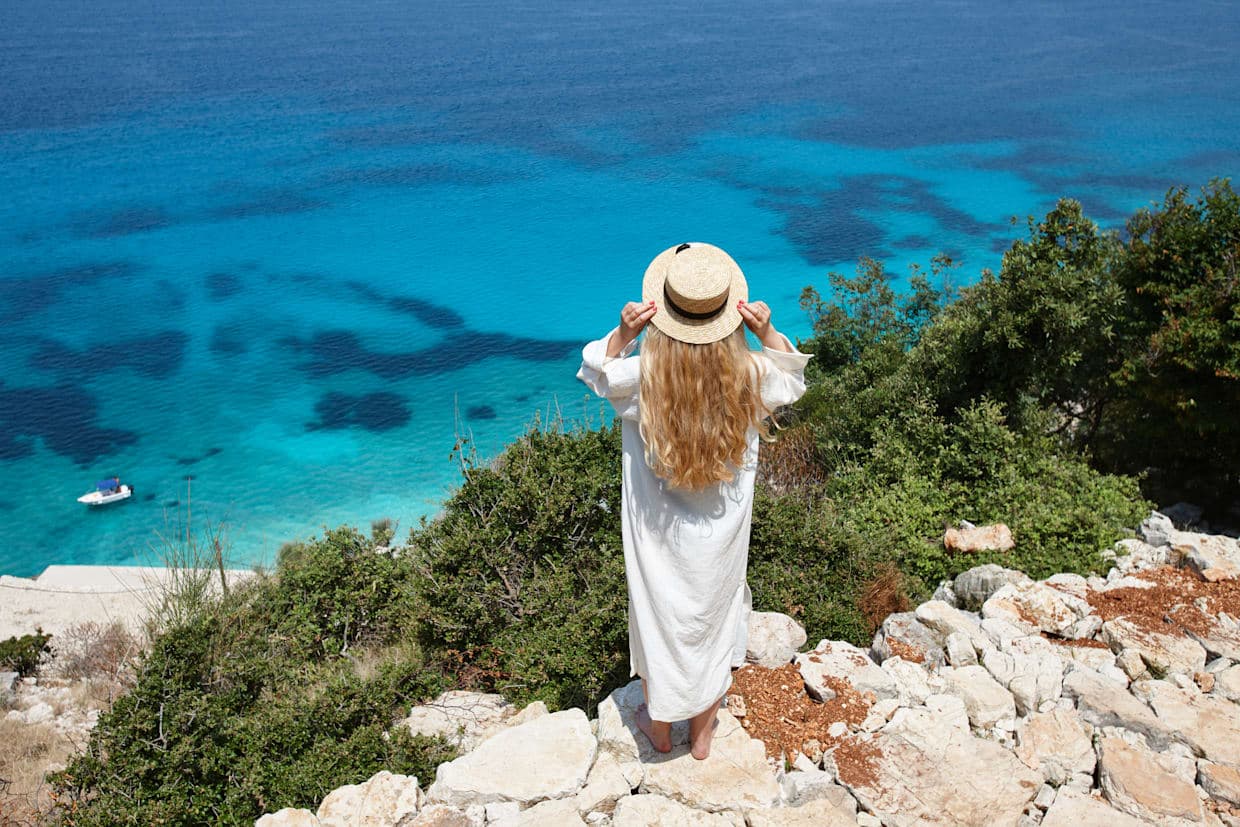
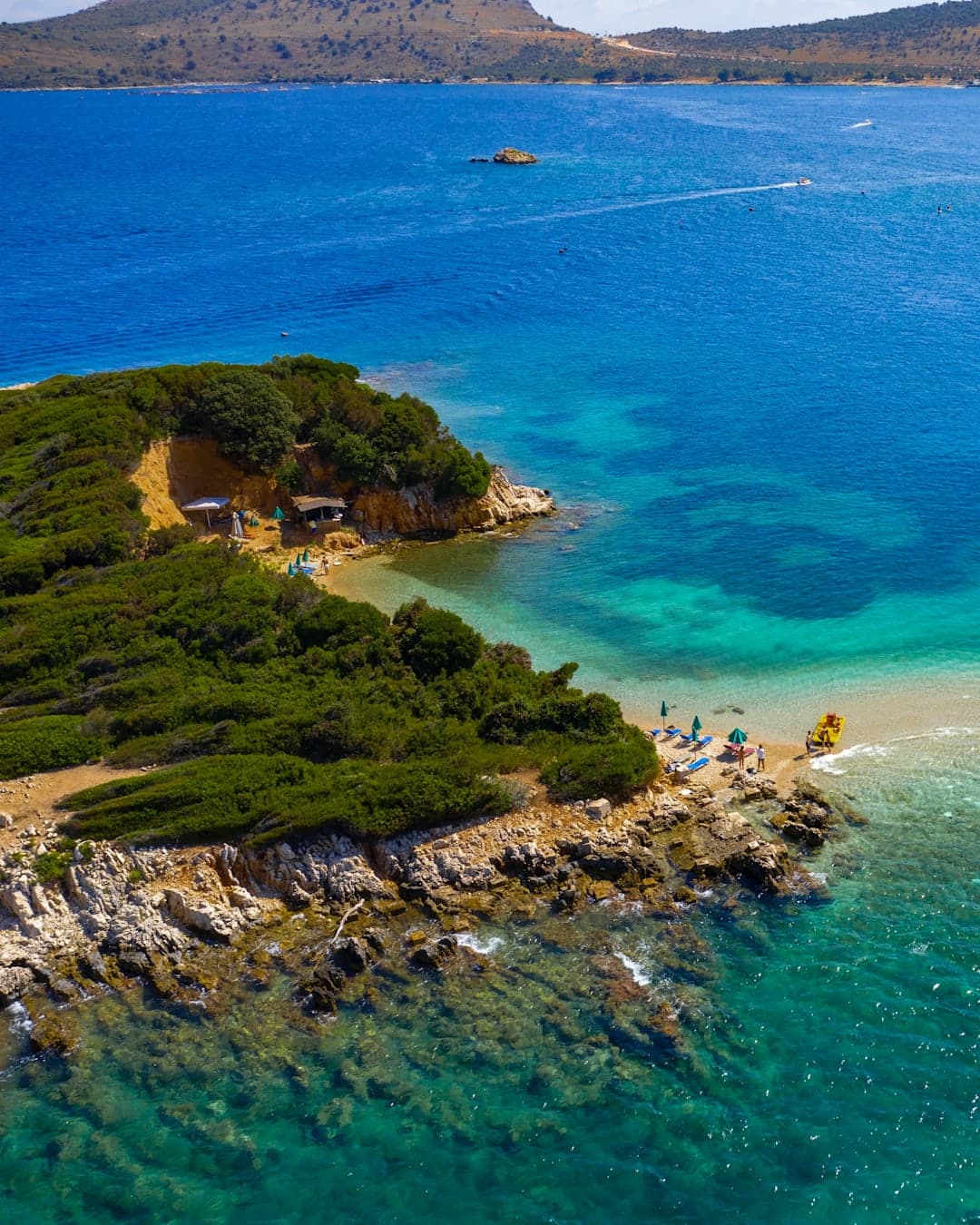
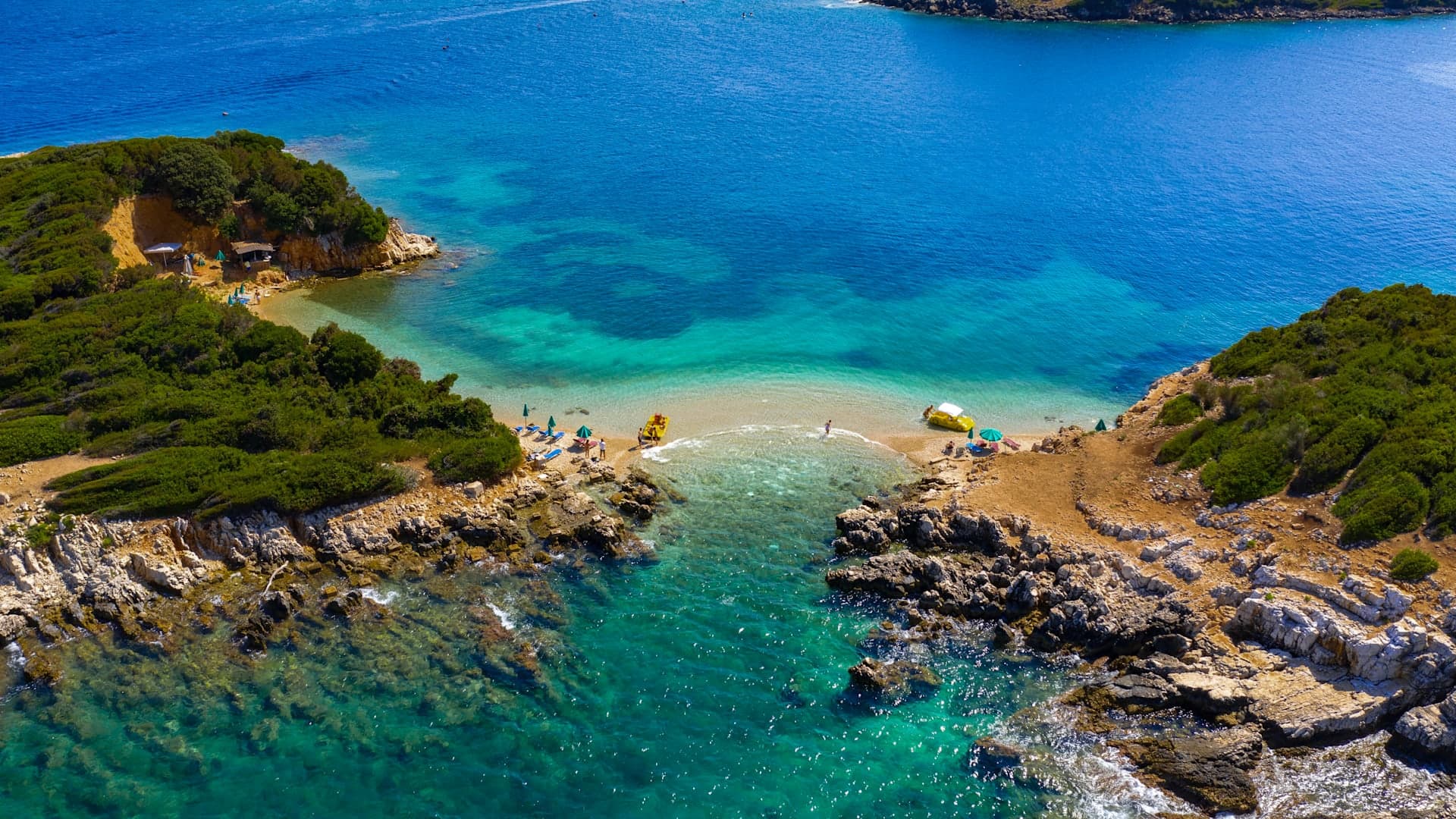
Albania sits between the Adriatic and antiquity: turquoise water off Ksamil, glacial lakes in Theth and ruins that have stood for over 2,000 years. You'll dive into Butrint among Greek and Roman walls, then the following day climb through the Albanian Alps, where rock faces rise almost vertically. In Theth the trails are silent – nothing but wind, scree and your own footsteps. Off Ksamil, you take a boat out to islands and swim in coves where stillness sits on the water. Prices are low, the landscapes are high, and somewhere in between lies a country that is only just being discovered.
May to October – with May, June and September offering the best balance of weather, beach conditions and visitor numbers.
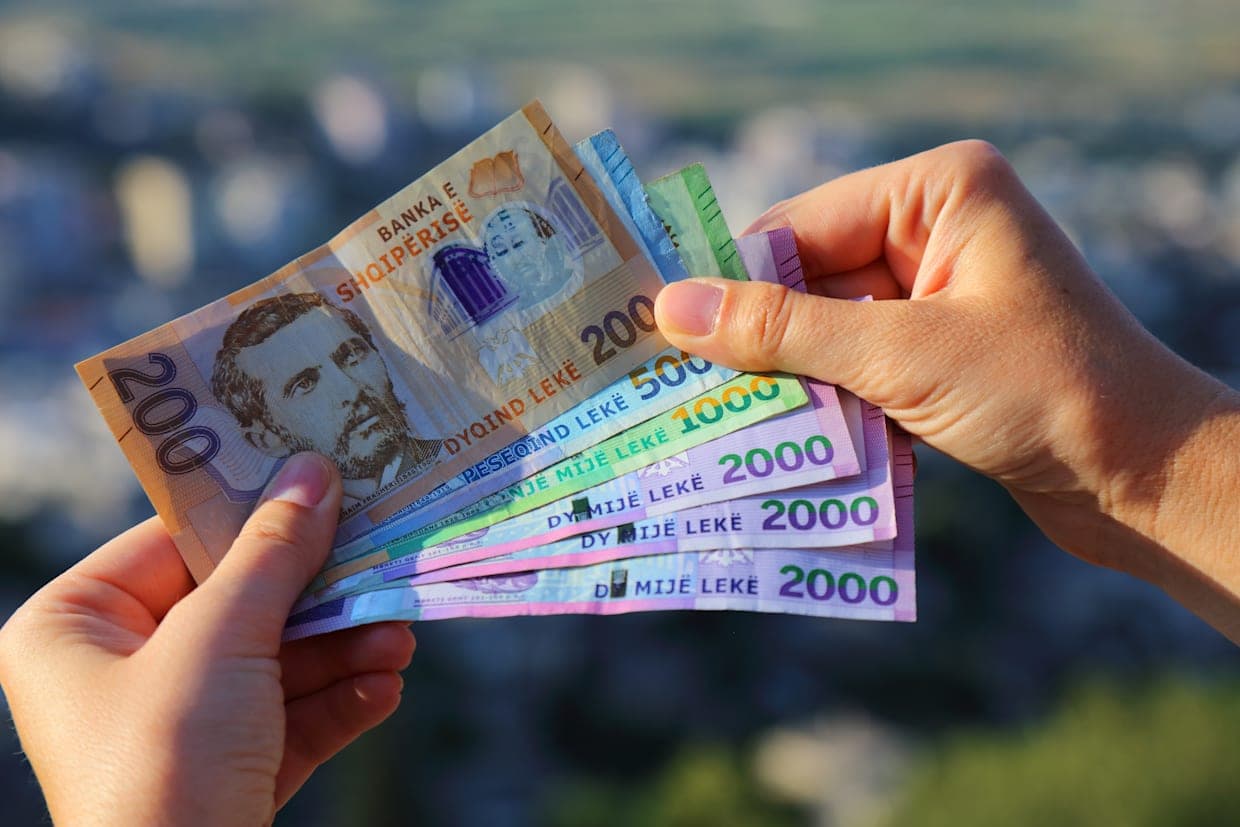
Albania's currency is the lek (ALL).
A direct flight from the UK to Tirana takes around 2 to 3 hours.
The official language is Albanian. In tourist areas such as Tirana, Saranda and Berat, you'll get by well with English.
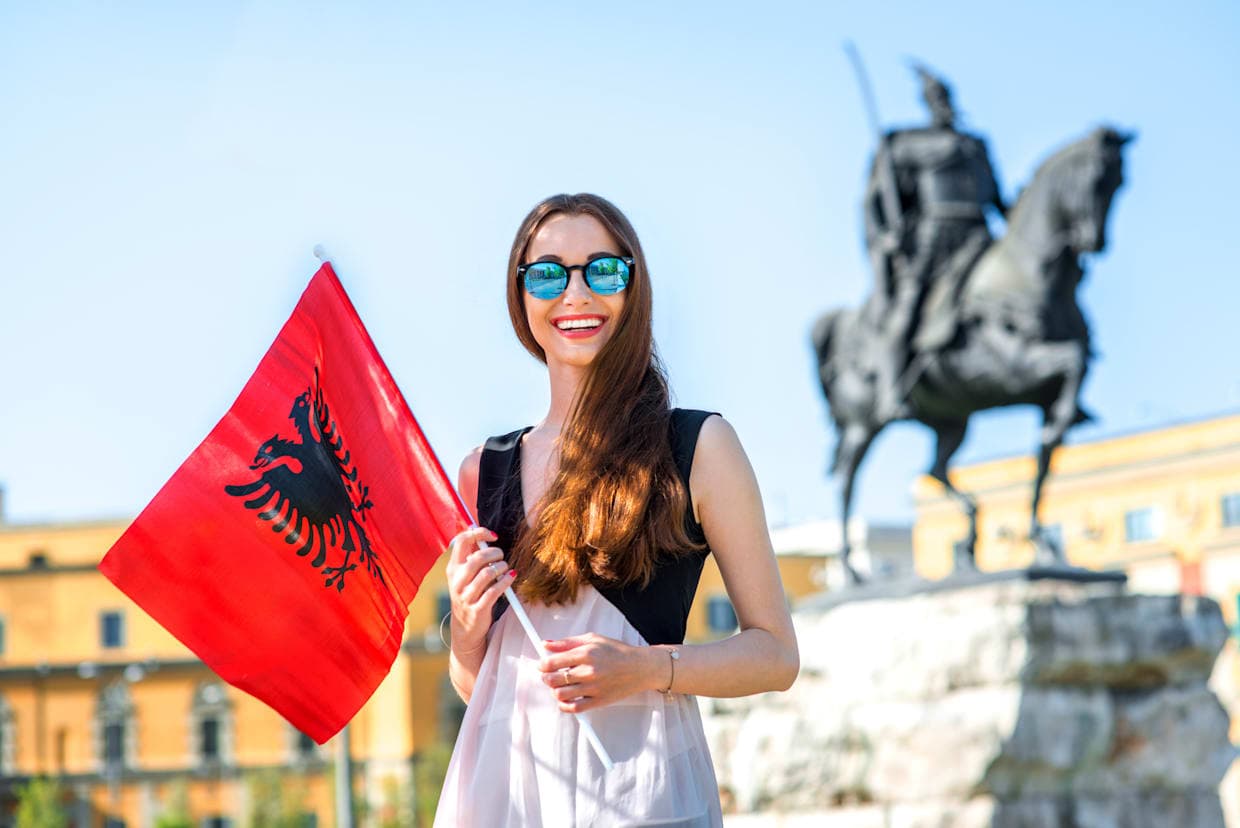
Albania is full of highlights, but these must-sees belong on your bucket list.
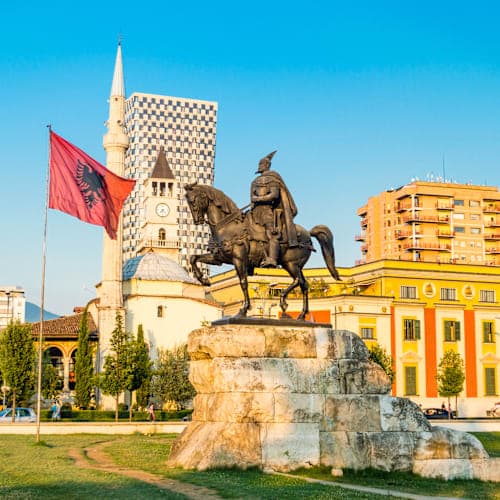
Tirana doesn't introduce itself – it just gets going. Colourful facades, street cafés under old trees, the Blloku neighbourhood with restaurants and bars that stay open past midnight. From Skanderbeg Square, the route leads into the Pazari i Ri, where fresh vegetables and cheese sit alongside grills that smell of oregano and charcoal. Take the cable car up to Mount Dajti – from 1,613 metres, Tirana looks like a toy town nestled among hills. Half an hour to the west lies Durrës: a Roman amphitheatre from the 2nd century, one of the largest in the Balkans, with a long sandy beach stretching along the Adriatic behind it.
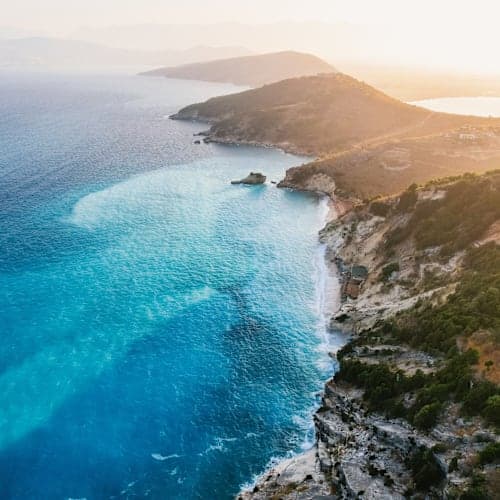
The Llogara Pass winds up through pine forest to over 1,000 metres, then the road drops and the Ionian Sea comes into view – this is where the Albanian Riviera begins. Dhërmi greets you first: a long pebble beach, turquoise water and tavernas under olive trees. Further south you reach Himara and Gjipe Beach at the end of a gorge, accessible only on foot or by boat. Saranda closes out the coast, with views across to Corfu and Butrint just alongside – a ruined city left behind by Greeks, Romans and Ottomans. Just before it lies Ksamil: four offshore islands and water so clear you can see the bottom several metres down.
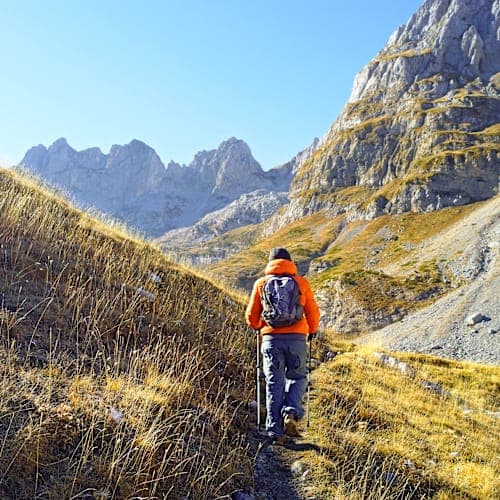
The Albanian Alps rise to over 2,500 metres – steep gorges, pine forest and villages that were barely accessible until just a few years ago. Shkodra is the gateway to the north: a Venetian fortress above the lake, cafés along the promenade and mountains beyond. The road to Theth winds through forest until a valley opens up, and with it a village that disappears under snow for months at a time in winter. In summer, hikes set off from here along the Peaks of the Balkans Trail – 192 kilometres through Albania, Kosovo and Montenegro. Alternatively, take the ferry across Lake Koman: rock faces rising on either side and the water black in the depths below.
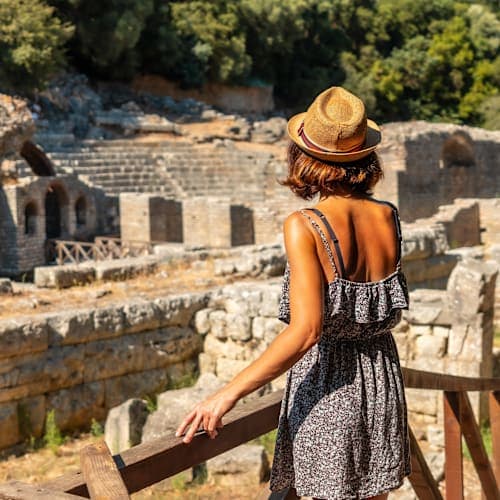
Albania carries more history than its place on the map might suggest. Berat, the city of a thousand windows, stacks Ottoman houses up a hillside – a UNESCO World Heritage Site since 2008. The Osum Canyon cuts turquoise through the hinterland, barely known and all the quieter for it. Gjirokastër sits to the south: a stone town on a hillside, with an Ottoman fortress at the top looking out over the entire valley. Further inland, Apollonia stands among olive trees older than the excavations themselves. Butrint closes the circle: a Greek colony, then a Roman city, today a national park right on the water.