Best time to visit
Argentina is vast, so the best time to visit depends heavily on where you're headed – the south in summer, the north in spring or autumn.
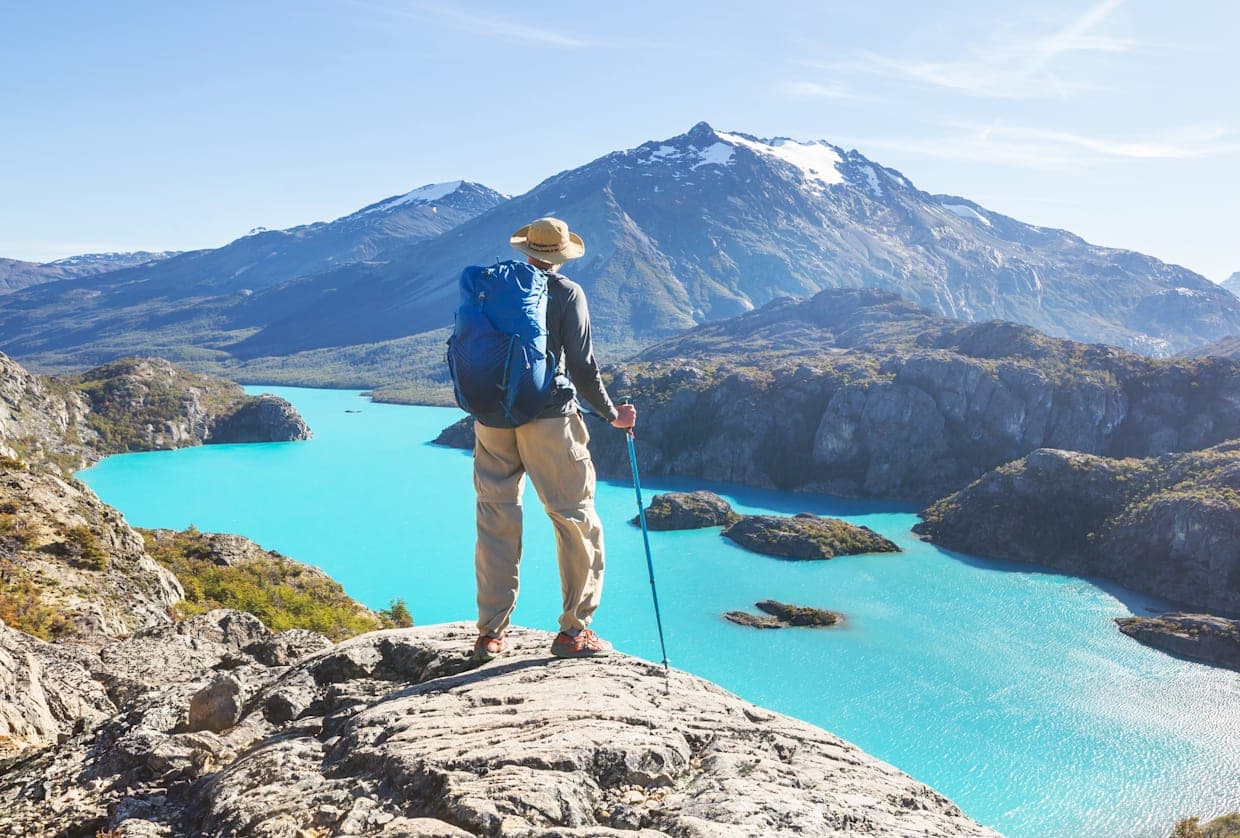
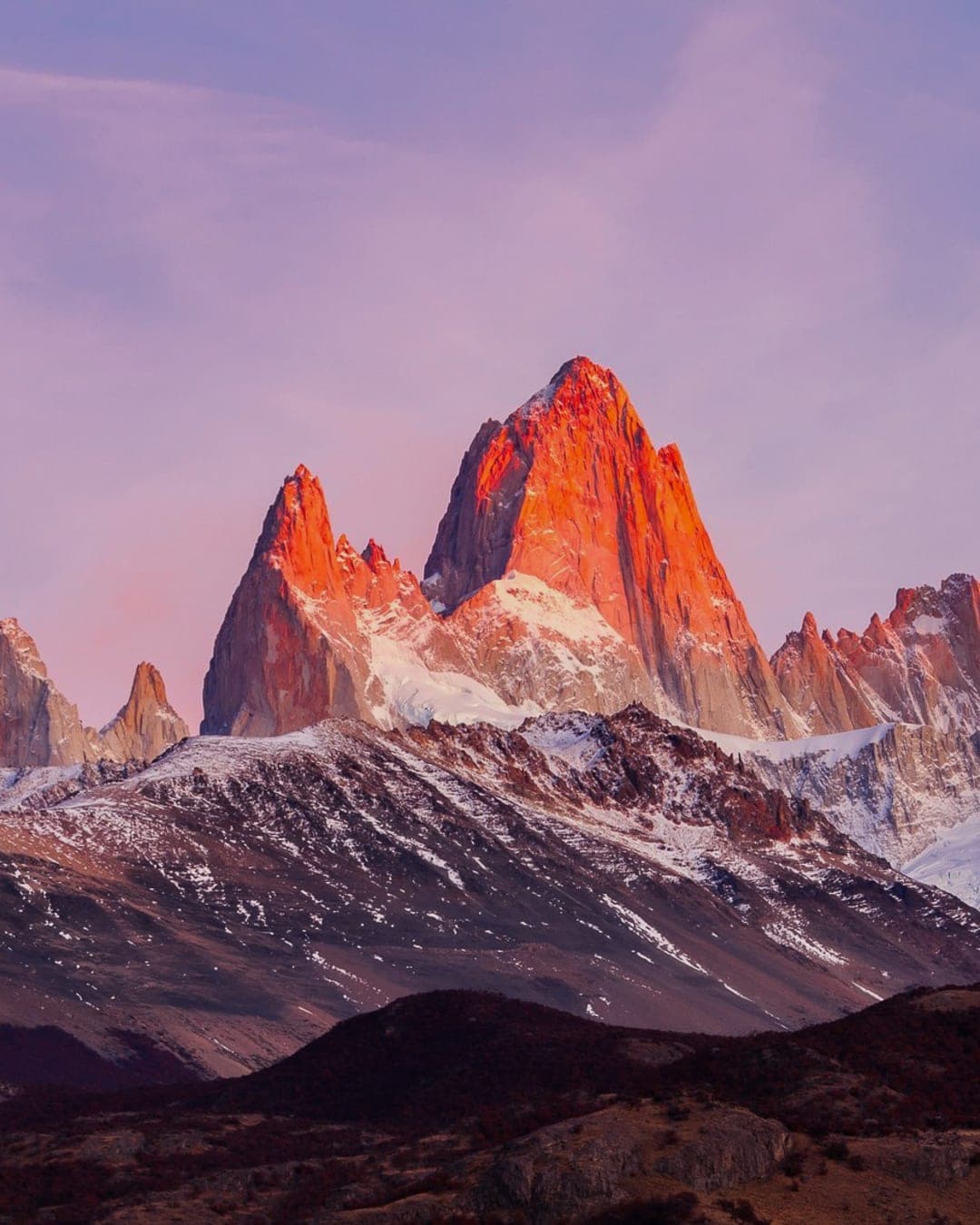
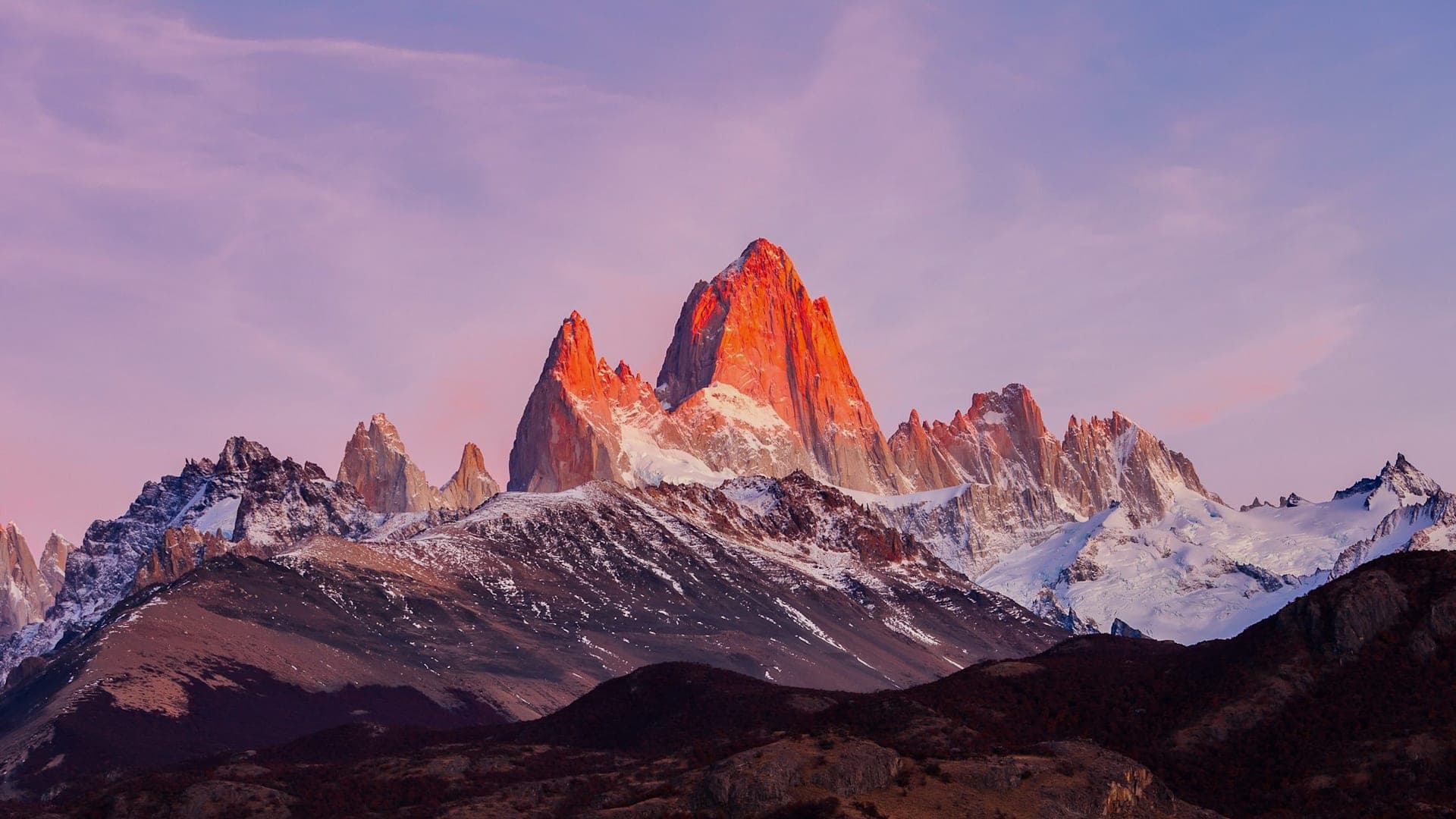
Argentina stretches over 3,500 kilometres from the subtropics to the end of the continent. In the north, the Iguazú Falls thunder down across almost three kilometres of width, in the west the Andes rise to over 6,000 metres and in the south the glaciers of Patagonia push all the way to the water's edge. In between lies Buenos Aires, where bandonéon drifts through the alleyways of San Telmo at night, and Mendoza, where Malbec ripens at over 1,000 metres above sea level. On the Beagle Channel, Magellanic penguins waddle along the beach and ignore every passing glance with complete indifference. Argentina is big enough for ten trips – you start with one.
Argentina is vast, so the best time to visit depends heavily on where you're headed – the south in summer, the north in spring or autumn.
Argentina's currency is the peso (ARS).

A flight from the UK to Buenos Aires takes around 13 to 14 hours – usually with a stopover.
The official language is Spanish – spoken with a distinctive Argentine accent. In tourist areas, you'll get by well with English.
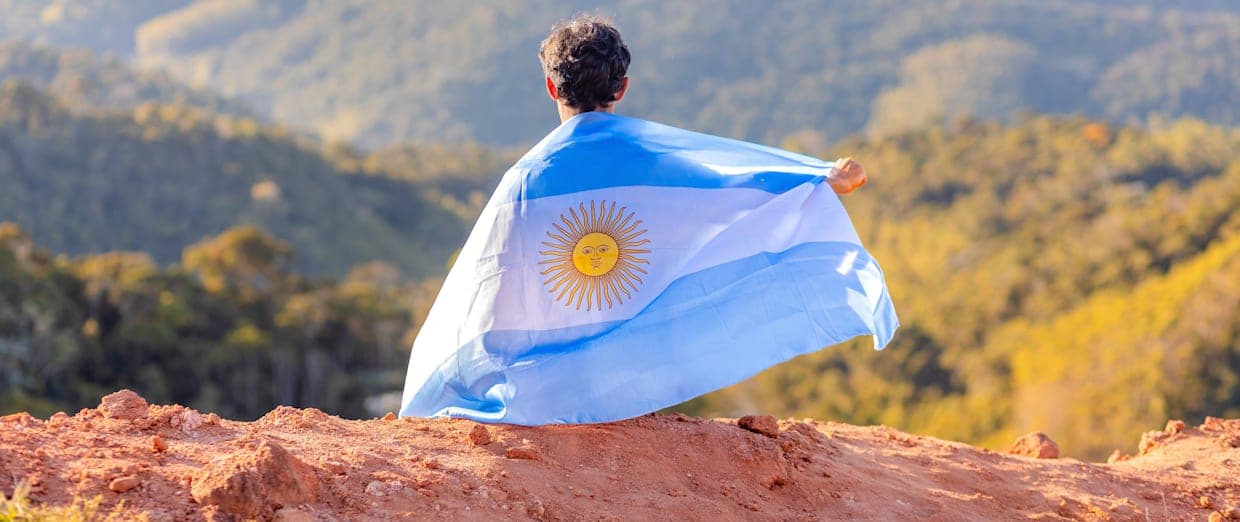
Argentina is full of highlights, but these must-sees belong on your bucket list.
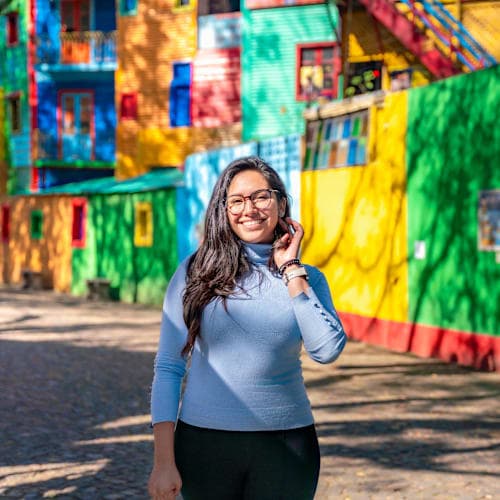
Buenos Aires truly comes alive at night. The steakhouses don't fill up until nine and milonga evenings don't begin until midnight – go to bed early and you'll miss half of it. In La Boca, brightly coloured corrugated iron houses line the streets and tango dancers take over the alleyways. On Sundays, the neighbourhood belongs to Boca Juniors. Recoleta, by contrast, feels like a different country entirely: Parisian boulevards and a cemetery whose mausoleums are larger than some apartments. On Plaza de Mayo stands the Casa Rosada – Argentina's pink seat of government. Right next door, the Teatro Colón is one of the finest opera houses in the world acoustically, though you'd never guess it from the outside.
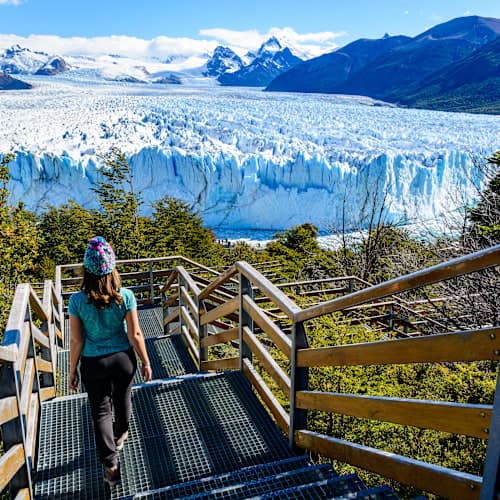
Patagonia begins where the roads stop being worth it – and that's exactly where things get good. El Calafate is the base for the Perito Moreno Glacier: a wall of ice above Lago Argentino that calves into the water with a thunderous crack. Three hours north lies El Chaltén, Argentina's trekking capital, where trails lead to Laguna de los Tres with views of Cerro Torre. In between stretches Ruta 40 – endless steppe, guanacos at the roadside and oncoming traffic every half hour. Further north lies Bariloche on Lago Nahuel Huapi: forested Andean peaks and a town that looks as though it took a wrong turn somewhere in Switzerland.
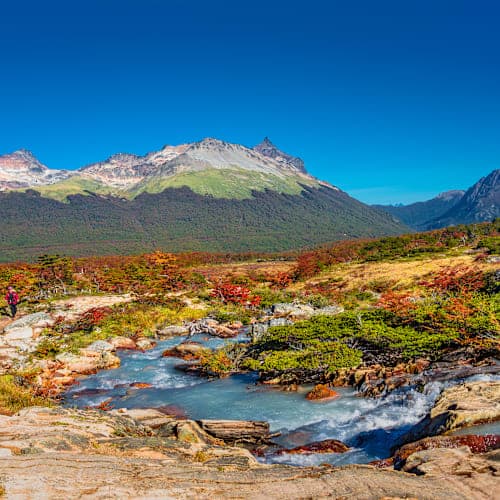
Ushuaia presses up against the Beagle Channel, with mountains rising steeply behind it – there is nowhere further south on this continent. Off the coast, sea lions bask on rocks, Magellanic penguins waddle past and on the horizon ships head towards Antarctica. Tierra del Fuego National Park begins just a few kilometres outside the city: beaver ponds, Nothofagus forests and walking trails that end right at the sea. Tierra del Fuego is an archipelago shared between Argentina and Chile – flat steppe in the north, jagged fjords and glaciers reaching down to the water in the south. The wind blows here constantly, and mostly from the side.
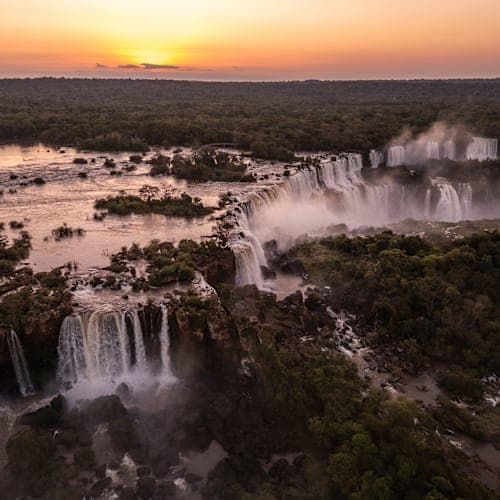
Two hundred and seventy-five cascades across three kilometres of width – the Iguazú Falls thunder so loudly that you can't hear your own voice. The spray rises metres into the air and the rainforest all around steams in the heat. Misiones sets the scene: subtropical green, red earth and the ruins of 17th-century Jesuit missions. In the northwest, the backdrop changes completely: Salta and Jujuy are the gateways to the Andean highlands, beyond which the Quebrada de Humahuaca stretches above 2,000 metres – a UNESCO valley with mountainsides in ochre, red and violet. In between lie the Yungas – dense cloud forest that sweeps down from the Andes into the lowlands.
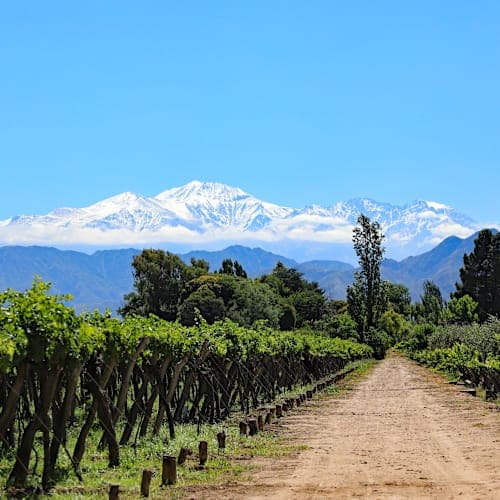
Mendoza sits at 750 metres, with the Andes rising to almost 7,000 metres behind it – and at the centre of it all, Aconcagua, the highest peak in the western hemisphere. The vineyards stretch in long rows all the way to the foot of the Andes. Malbec ripens here in the high-altitude sun and the bodegas smell of oak barrels and cold stone. To the north lies San Juan, with the Talampaya and Ischigualasto national parks: red rock formations, fossilised dinosaur bones and a silence you'd otherwise only find in the desert. To the south, Cerro Tronador rounds off the picture – an extinct volcano that takes its name from the thundering of its glaciers.